About our Tzitzit
Where does Tzitzit come from?
Let's start with the biblical source.
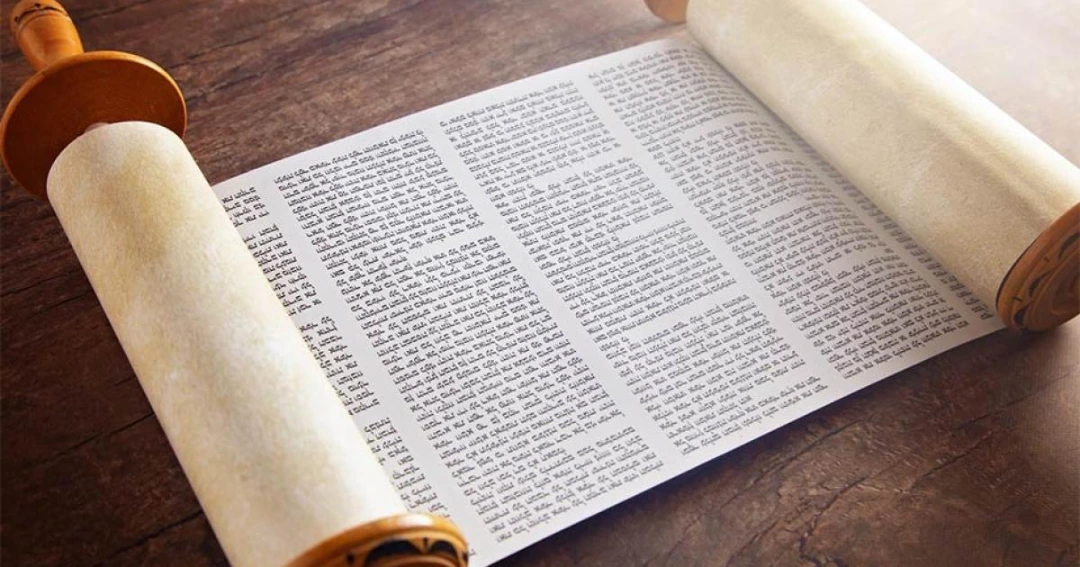
From where in the Torah is the Mitzvah of Tzitzit derived?
The mitzvah of tzitzit is derived from the 38th passuk of the 15th perek of Sefer Bamidbar: דַּבֵּ֞ר אֶל־בְּנֵ֤י יִשְׂרָאֵל֙ וְאָמַרְתָּ֣ אֲלֵהֶ֔ם וְעָשׂ֨וּ לָהֶ֥ם צִיצִ֛ת עַל־כַּנְפֵ֥י בִגְדֵיהֶ֖ם לְדֹרֹתָ֑ם וְנָ֥תְנ֛וּ עַל־צִיצִ֥ת הַכָּנָ֖ף פְּתִ֥יל תְּכֵֽלֶת׃ "...speak to the Children of Israel and you shall instruct them to make Tzitzit (fringes) on the corners of their garments and they shall put the Tzitzit a fringe of Tchellet..." This passage is where the obligation to wear tzitzit comes from, as well as the commandment to use them as a reminder to observe the 613 Mitzvot and to remember Hashem at all times.
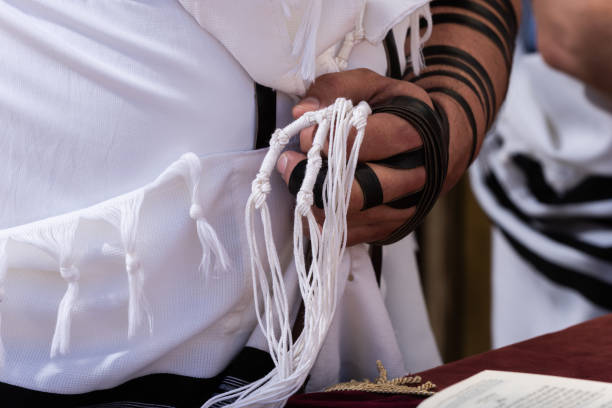
What exactly are we commanded to do?
A common misconception is that it's a Mitzvah outright to wear Tchellet, but that's untrue. The actual commandment is to put Tzitzit on our daytime clothes (though the Ariz"l writes that Tzitzit should also be worn when sleeping) that we wear, and the Gemara further explains that not all types of clothes require Tzitzit; only shirts with 4 corners that are made out of either wool or linen, a requirement modern shirts do not fulfill. The Rabbis also require any 4-cornered shirts made out of any natural materials, which is why a lot of Tzitzit undershirts are made out of Cotton. Mixture are also fine, so long as it's at least 51% natural fibers.
Where do Tzitzit strings come from?
Tzitzit Strings may only be made out of 2 materials: Wool & Linen. The latter is more of a debate. Beis Hillel holds that it is permitted to make Tzitzit Strings out of linen, while Beis Shammai that it is forbidden, because, as mentioned above, there is a requirement to dye one of the strings Tchellet, and that dye must be permanent. However, Tchellet-dyed linen is not permanent, and therefore the Tchellet string would have to be made from wool, and thus would be transgressing the Mitzvah of Kilayim (forbidden mixtures), as it is forbidden to mix Wool & Linen. The true debate is whether it is permitted to transgress Kilayim in the case of Tzitzit; Beit Hillel holds that you can, based on a juxtoposition on Sefer Devarim, while Beit Shammai does not accept that Drasha.
Today, though, almost all Tzitzit strings come from wool, with a small fraction coming from linen. After being shorn from the sheep, the wool is cleaned, bleached, untangeled and spun into thread. Tzitzit strings are twisted by hand-cranked machines, because they must be made with the intention to fulfill the Mitzvah of Tzitzit, something a machine cannot do.

How large Must the Tallit be?
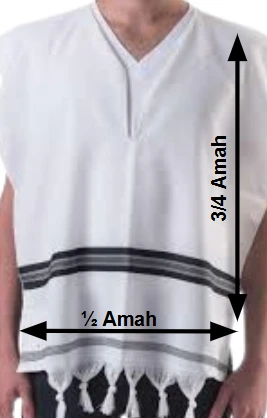
The shirt/tallit itself must be a certain size too. The Tallit Kattan, according to the Gemara's description, needs to be large enough to "cover a 9-year-old from his torso to his legs". The Poskim debate what this means, but the general consensus is that it needs to be 3/4 Amah x 1/2 Amah, roughly 38 cm x 25 cm. Anything smaller than this can be worn, but doesn't require a blessing. The Tallit Gadol, on the other hand, must be enought to cover the most of the body of the wearer.
Tying Requirements
Tzitzit may only tied by a Jewish Male over the age of 13, as the Passuk states "ועשו להם", and they shall make for themselves. Therefore, Tzitzit tied by a gentile, a woman, or a minor isn't Kosher. However, minors may tie Tzitzit for themselves. Tzitzit also must be tied Leshem Mitzvat Tzitzit, and if not, the Tzitzit is Passul. However, because nowadays most people don't normaly wear 4-cornered garments, some Gedolai Hador hold that it's Kosher regardless.
How Long Must the Strings be?
How long must the Strings be to be Kosher? It’s ideal for the entire Tzitzit, both the windings & the hanging strings be a total length of about 12 thumbreaths, which is around 24 cm. As mentioned in the Gemara, the hanging strings should be about twice as long as the knots & windings. If shortened, either by being cut off or ripped, it's still Kosher until about 4 cm left. Luckily, even if one of the strings gets shorter than this length, don't worry; it's still Kosher. If 2 or more strings become too short, though, not only that corner, but all 4 corners are Passul, and it's an Issur DeOrayta (a biblical prohibtion) to continue wearing it.